
Information for Patients following Heart Attack
WHAT IS A HEART ATTACK?
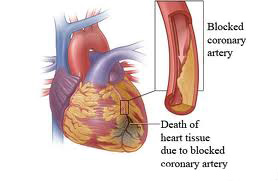
Heart attack or myocardial infarct (MI) is the result of a blockage in the arteries that supply oxygen-containing blood to the heart muscle (coronary arteries). This blockage is usually a blood clot. This lack of blood flow means that part of the heart muscle is starved of oxygen for a period of time and may become permanently damaged.
The symptoms associated with a heart attack can be variable, ranging from severe central chest pain to mild chest discomfort or feeling generally unwell. The length of time that the pain may last and the distribution of pain in the body might also be different from one person to another. In some cases the pain has been mistaken for indigestion.
WHAT CAUSES A HEART ATTACK?
Heart attacks are usually the result of a process that has been going on for some time resulting in damage to the coronary arteries – Coronary Heart Disease. The arteries over time become narrowed as a result of a build-up of fatty deposits in the walls of the arteries (atherosclerosis). This narrowing can mean that the arteries are not able to supply enough oxygen rich blood to the heart muscle at times when it requires more than usual, for example during exercise.
RISK FACTORS
The following are a list of things that increase the risk of having coronary heart disease:
- Physical Inactivity
- High Blood Pressure
- Smoking
- High Blood Cholesterol
- Being overweight
- Diabetes
- Family History of Heart Disease